


Why Pushing Harder Isn't Helping: The Hidden Link Between Burnout and Constant Striving
Updated: Jun 4
Many people respond to exhaustion by trying harder. Discover why burnout recovery requires a different approach - one that restores rhythm, regulation and sustainable energy
For much of modern life, strength has become associated with speed.
Keep moving.
Keep producing.
Push through.
Optimise.
Perform.
Adapt faster.
Many people spend years believing that exhaustion is simply the price of ambition. That tension is commitment. That urgency is importance. That the ability to override the body is a form of resilience.
For a while, this can appear to work.
The nervous system is remarkably adaptive. Human beings can function for years in states of chronic activation — fuelled by stress hormones, urgency, pressure, stimulation, and the constant sense that life is slightly behind where it should be.
Modern culture often rewards this state.
People who move quickly are frequently perceived as capable. People who override their limits are praised for discipline. People who remain constantly available are seen as dependable.
Yet beneath this appearance of strength, many nervous systems are quietly moving further from regulation.
The body begins compensating.
Sleep becomes lighter.
Breathing becomes shallower.
Rest no longer feels restorative.
The mind remains active even in stillness.
Over time, many people discover something surprising:
Force is not the same as power.
Urgency is not the same as alignment.
Speed can override embodiment.
True strength is not the ability to remain in constant acceleration. It is the ability to remain internally organised while life moves around you.
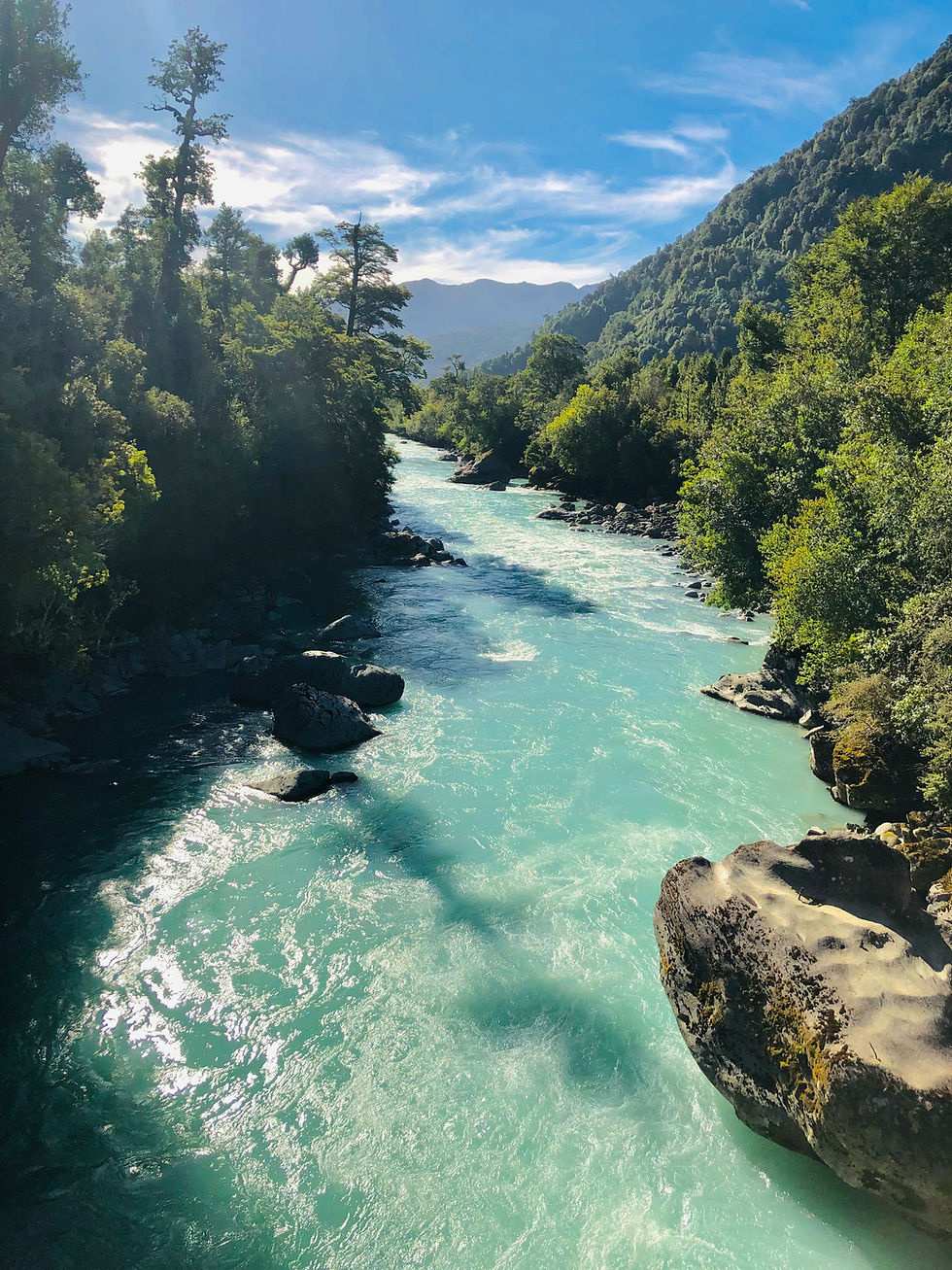
Nature itself demonstrates this constantly. Healthy systems move rhythmically. The heart contracts and releases. The lungs expand and soften. The seasons cycle between growth and restoration. Even forests operate through periods of activity, dormancy, repair, and renewal.
Nothing in nature sustains endless output without consequence.
Human beings are no different.
Much of what we call burnout is not simply exhaustion. It is often the result of living too far beyond the body’s natural rhythms for too long. A nervous system forced into continual mobilisation eventually loses the ability to settle fully back into safety.
This is why rest alone often doesn’t resolve burnout.
A person can stop working while the nervous system remains internally braced. The body may be still, while the physiology continues preparing for pressure.
Real recovery often begins when force softens.
Not into passivity or collapse, but into a different kind of strength: one rooted in pacing, coherence, discernment, rhythm, and the capacity to remain connected to the body while moving through life.
There is wisdom in learning that not everything must be pushed.
Some things stabilise through steadiness instead.
Some things heal through repetition rather than intensity.
Some forms of power emerge only when urgency loosens its grip.
This pattern extends far beyond individual burnout.
Modern economic systems are also organised around the assumption that continual growth is both normal and necessary. Expansion is often treated as the primary marker of success: more production, more consumption, more speed, more output, more optimisation.
Slowing is frequently interpreted as failure.
Rest becomes unproductive. Stillness becomes inefficiency. Sufficiency becomes threatening to systems built upon perpetual expansion.
Yet living systems do not grow infinitely. When growth becomes disconnected from regulation, systems begin to destabilise.
This is true biologically.
It is true psychologically.
It is true ecologically.
Much of modern burnout reflects this wider cultural pattern.
Many people are attempting to function like economies built on perpetual acceleration: continually stimulated, continually productive, continually available, while receiving less and less genuine recovery.
The nervous system was never designed for endless expansion without integration.
Neither was the Earth.
Perhaps this is why so many people no longer feel fully rested, even when they stop moving for a moment. The deeper exhaustion is not only personal. It reflects participation in a culture that has gradually lost relationship with rhythm itself.
Recovery, then, is not simply about self-care.
It may also involve remembering something modern life has largely forgotten: that healthy systems are not sustained through constant force, but through cycles of activity, repair, integration, and renewal.
------
Ready to move from understanding burnout to recovering from it?
Explore the full Burnout recovery Library for practical guidance on nervous system regulation, restoring rhythm, rebuilding energy, and creating sustainable change ➤


Comments